
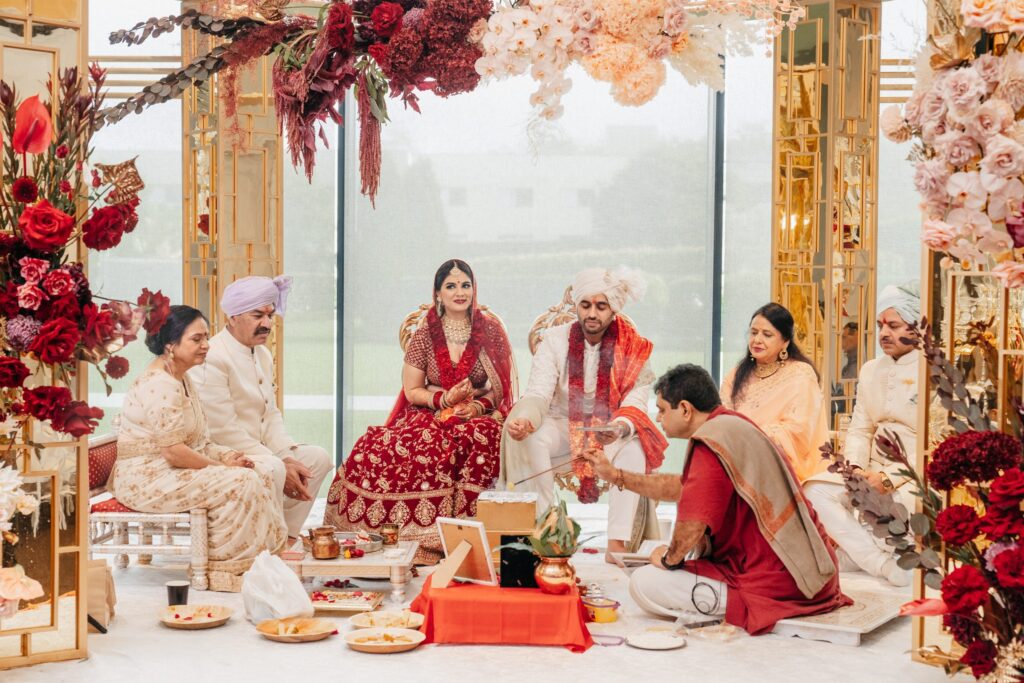
Shaadi is often described as one of the most important milestones in life. Families plan for months, sometimes years. There are rituals, celebrations, expectations, and emotions involved. But once the wedding is over and real life begins, many couples realize that marriage is very different from what they imagined.
Whether it is a love marriage or an arranged marriage, a successful shaadi depends more on understanding and preparation than on ceremonies. Especially for NRI couples, where life abroad brings additional responsibilities and challenges, practical shaadi tips can make a big difference.
This blog focuses on real-life shaadi advice—things people usually understand only after marriage.1. Don’t Rush the Decision Because of Age or Pressure
One of the most common mistakes people make is rushing into marriage due to age, family pressure, or social comparison.
Marriage is not a race. It is better to take time to:
- Understand the person properly
- Ask important questions
- Observe behavior over time
A rushed shaadi may look successful on the outside, but emotional compatibility takes time to evaluate. A few extra months of clarity are far better than years of adjustment later.
1. Don’t Rush the Decision Because of Age or Pressure
One of the most common mistakes people make is rushing into marriage due to age, family pressure, or social comparison.
Marriage is not a race. It is better to take time to:
- Understand the person properly
- Ask important questions
- Observe behavior over time
A rushed shaadi may look successful on the outside, but emotional compatibility takes time to evaluate. A few extra months of clarity are far better than years of adjustment later.

2. Talk About Real Life, Not Just Dreams
Before marriage, conversations often focus on dreams—travel, lifestyle, future plans. While these are important, real life topics matter more.
Discuss things like:
- Daily routines and work schedules
- Household responsibilities
- Financial habits
- Expectations from married life
Shaadi is not just about big moments; it is about everyday life. Compatibility in small things creates long-term peace.
3. Be Honest About Your Past and Expectations
Honesty builds trust. Hiding important details before marriage often leads to bigger problems later.
Important topics to be honest about:
- Past relationships or marriages
- Career goals and limitations
- Health-related matters
- Family responsibilities
Honesty may feel uncomfortable at first, but it creates a strong foundation. A marriage built on half-truths struggles to survive reality.
4. Understand That Adjustment Goes Both Ways
Many people enter marriage expecting the other person to adjust more. This mindset creates conflict.
Successful shaadi requires:
- Mutual adjustment
- Willingness to compromise
- Respect for differences
Adjustment does not mean losing your identity. It means finding a middle ground where both partners feel valued.

5. Communication Is More Important Than Romance
Love and romance are beautiful, but communication is what sustains marriage.
Good communication means:
- Expressing feelings calmly
- Listening without interrupting
- Discussing issues instead of avoiding them
- Respecting different viewpoints
In NRI marriages especially, where couples may feel isolated, communication becomes the strongest emotional support system.

6. Money Matters Should Never Be Ignored
Many couples avoid discussing money before shaadi, thinking it will create discomfort. In reality, avoiding the topic creates confusion later.
Talk openly about:
- Income and expenses
- Saving and spending habits
- Financial responsibilities toward family
- Long-term goals
Financial transparency prevents misunderstandings and builds trust between partners.
7. Set Clear Boundaries With Families
Family involvement is natural in Indian marriages, but boundaries are equally important.
Discuss:
- Level of family involvement after marriage
- Living arrangements
- Decision-making boundaries
- Expectations around festivals and visits
A strong marriage respects family while also protecting the couple’s emotional space.
8. Accept That Conflict Is Normal
Many people believe that a good marriage has no fights. This is unrealistic.
What matters is:
- How conflicts are handled
- Whether respect is maintained
- Willingness to resolve issues
Arguments do not break marriages—ego, silence, and disrespect do. Learning healthy conflict resolution is a key shaadi skill.
9. Don’t Expect Your Partner to Complete You
Marriage is a partnership, not emotional dependency.
A healthy relationship allows:
- Individual growth
- Personal space
- Independent interests
When both partners are emotionally balanced individuals, the marriage becomes stronger and more fulfilling.
10. Give Time to Build the Relationship After Marriage
Marriage does not become perfect on day one. It takes time.
Early months after shaadi are for:
- Understanding habits
- Building trust
- Learning each other’s emotional language
Patience during this phase creates long-term harmony.
11. Respect Is More Important Than Love
Love can change with time, but respect sustains marriage.
Respect shows in:
- Tone of communication
- Support during tough times
- Valuing opinions and boundaries
Without respect, even love feels heavy. With respect, even difficult phases become manageable.
12. Choose Growth Over Ego
Every marriage faces moments where ego can dominate. Choosing growth over ego saves relationships.
This means:
- Apologizing when wrong
- Accepting feedback
- Learning from mistakes
Marriage is not about winning arguments; it is about protecting the relationship.